Owners of older vehicles often assume that a high odometer reading automatically limits what their car is worth. Kilometres do matter, but they are only one part of the valuation picture. If you are wondering what affects car resale value, buyers also consider factors such as service history, the way the vehicle has been maintained, model desirability, rarity, and current market demand.
You may be wondering, “How can I sell my old car?” Buyers consider more than age and kilometres when assessing your vehicle. Our guide on how many kilometres a car can last provides more context on vehicle longevity, while the ultimate car valuation guide covers the broader valuation picture.
So, does mileage affect car value? Yes, but buyers rarely consider the odometer in isolation. Here are the other factors that can influence demand for an older vehicle.
Service History Can Strengthen Buyer Confidence
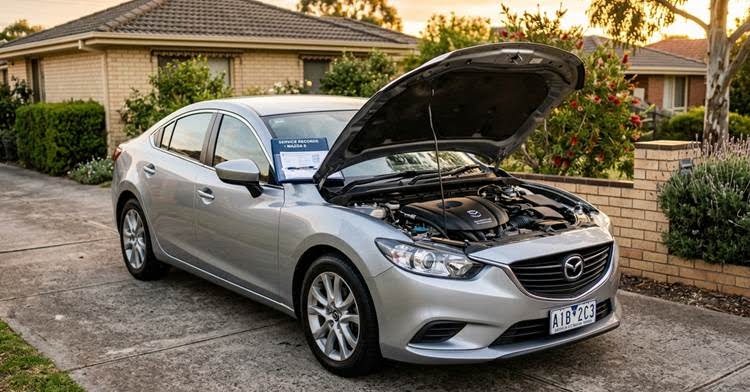
A consistent service history can make an older, higher-kilometre vehicle more appealing because it gives buyers greater confidence in how the car has been maintained.
Records of regular oil changes, scheduled servicing, transmission work, brake servicing, timing belt or chain replacement, and other major maintenance can provide useful context about the vehicle’s history. For an older car, these records may help demonstrate that the vehicle has received regular attention throughout its life.
This becomes particularly relevant as kilometres increase. Two vehicles of the same age and model can attract different levels of buyer interest if one has a detailed maintenance history and the other has little information available about previous servicing.
If receipts are missing, you may be able to request a service summary from the dealership or mechanic that worked on the vehicle. You do not need to organise every possible document before approaching CarBuyers. If additional information is required during the selling process, our team can explain what is needed.
Service history is therefore one of several car valuation factors that can help buyers assess an older vehicle alongside its age, kilometres, specifications, and current demand.
Vehicle History and Transparency Matter
An older vehicle has had more time to accumulate ownership and maintenance history, making transparency particularly important when selling. Information about previous ownership, finance, servicing, and other relevant history gives buyers a clearer picture of the vehicle they are assessing. Sellers should be straightforward about information they already know rather than leaving buyers to encounter unexpected details later.
This does not mean you need to become an expert in vehicle paperwork before requesting an offer. CarBuyers manages the sale paperwork and will contact you if further information or documents are required.
Age should also be considered in context. Vehicles naturally lose value over time, but depreciation does not occur at exactly the same rate for every make and model. Brand reputation, model popularity, supply, demand, and the stage of a vehicle’s lifecycle can all influence the rate at which value changes.
Our guide to understanding car depreciation explains why age and kilometres alone do not provide the full valuation picture.
Maintenance, Presentation, and Buyer Demand Work Together
When buyers assess an older vehicle, they consider how its age and use compare with other examples currently available.
Visible wear may influence buyer interest, particularly when comparable vehicles in the market are more appealing. The same applies to signs that maintenance may soon be required. However, there is not a universal percentage that can simply be deducted for a scratch, worn seat, older tyre, or other individual feature.
What matters is how the vehicle compares with alternatives buyers can currently purchase.
That distinction is important. Spending heavily on repairs or cosmetic work before selling does not guarantee that you will recover the cost through a higher offer. Basic cleaning and having relevant maintenance information available may help present the vehicle clearly, but major work should be considered carefully.
For owners asking how do I know what my car is worth, the answer comes from considering the vehicle as a whole rather than assigning a fixed value to each individual feature.
This is also useful if you want to sell high mileage car models that remain desirable in the used-car market. A higher odometer reading does not automatically remove demand for a particular make or model.
Why Are Some Older Cars More Desirable Than Others?
Not all older cars follow the same resale pattern. Some makes and models maintain stronger demand because buyers value their reputation, practicality, reliability, specifications, or availability. Certain variants may also be more sought after because of their engine, transmission, body style, trim level, or other features.
Rarity can matter too, although rare does not automatically mean valuable. A vehicle needs enough buyer demand for limited supply to influence what people are prepared to pay.
This is one reason comparing an older car only with vehicles of the same age or mileage can be misleading. A popular model with higher kilometres may attract stronger interest than a lower-kilometre vehicle for which demand is limited.
The broader question is not simply how old the vehicle is, but how buyers currently perceive that particular make, model, and specification.
How Does Market Demand Affect an Older Car’s Value?
Used-car values respond to what buyers are looking for at a particular point in time. Supply, demand, model popularity, fuel type, specifications, location, and the availability of comparable vehicles can all affect market interest.
This means the same vehicle may not receive exactly the same valuation indefinitely. If similar vehicles are widely available, buyers have more alternatives. If a particular model or specification is in demand and supply is limited, competition for available examples may support stronger offers.
This is why how market value is determined involves more than simply entering age and kilometres into a formula. When considering an older vehicle, professional buyers look at comparable market activity alongside the characteristics of the individual car. This provides a more realistic basis for an offer than relying on the odometer alone.
Selling an Older or High-Kilometre Car
If you are preparing to sell, you do not need to turn an older vehicle into a near-new one before requesting an offer. Instead, provide accurate information about the vehicle and any relevant service history you have available. If CarBuyers needs further information during the process, our team will contact you and explain what is required. We also manage the sale paperwork, helping keep the process straightforward.
The key takeaway is to avoid judging your car solely by its kilometres. An older vehicle can still attract buyer interest when its make, model, specifications, history, and current market demand support it.
Rather than assuming high mileage automatically means a poor outcome, look at the complete set of car valuation factors affecting your particular vehicle.
Look Beyond the Odometer Before You Sell
High kilometres are only one part of an older car’s story. Service history, vehicle history, desirability, specifications, rarity, and market demand can all influence how buyers assess the vehicle.
If you want another way to research your vehicle before selling, how do I find the market value of my car explains how market comparisons can help set realistic expectations.
Ultimately, the most useful way to determine what your particular vehicle may be worth is to have it assessed using current market information. When you are ready, get a quote from CarBuyers and see how your older vehicle compares in today’s market.
FAQs
Does mileage affect car value on an older vehicle?
Yes, but mileage is only one factor buyers consider. Age, service history, model desirability, specifications, rarity, and current market demand can also influence an older vehicle’s value. A higher odometer reading therefore does not automatically determine the final offer.
Can I sell my old car with high kilometres?
Yes. An older car with high kilometres may still attract buyers, depending on its make, model, specifications, history, and current market. Higher kilometres should be considered alongside the other factors affecting the vehicle rather than in isolation.
Can I sell high mileage car models that are still in demand?
Yes. If you want to sell high mileage car models, strong market demand can still work in your favour. Certain makes, models, variants, and specifications remain desirable as they age, so buyers consider the complete vehicle and current market rather than using mileage as the only measure.
What affects car resale value besides age and kilometres?
Several car valuation factors can influence resale value, including service history, model desirability, specifications, rarity, supply, and current market demand. These factors help explain why two cars of a similar age and with similar kilometres may attract different levels of buyer interest.
Should I repair an older car before selling it?
Not necessarily. Spending heavily on repairs or cosmetic improvements does not guarantee an equivalent increase in the amount a buyer is prepared to offer. Basic cleaning can help present the vehicle clearly, but major work should be considered carefully against the likely value of the car and current buyer demand.